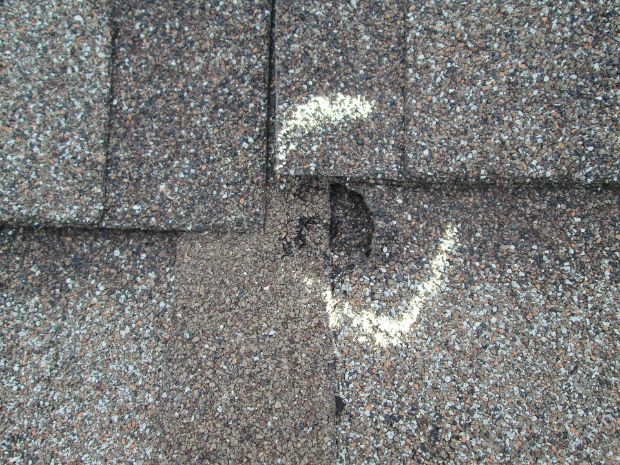
Central Texas sits in one of the most hail-prone corridors in the country. When a storm rolls through Austin, Round Rock, Cedar Park, or Georgetown, phone lines light up and roofs get inspected street by street.
The question most homeowners ask first is simple: will my insurance cover a roof replacement?
In many cases, yes. A standard Texas homeowners policy usually covers hail damage to your roof as a named peril. The harder part is figuring out how much gets paid, what you still owe, and when a full replacement is justified versus a repair.
This guide walks through the coverage basics, the policy details that surprise people after a claim, and how to move forward without getting pushed into a bad decision.
The short answer: yes, usually (with limits)
On a typical inland Texas homeowners policy, hail is a covered peril. That can include:
- Roof covering and related components damaged by hail
- Other structures (like a detached garage or shed), if covered under your policy
- Interior damage if hail created an opening and water got in
- Related items like gutters or windows, depending on the loss and policy terms
So if hail causes functional damage, insurance may pay for repair or replacement, minus your deductible and subject to your policy’s settlement method.
Coverage is not automatic just because it hailed. The adjuster still has to find storm-related damage that meets your policy standards. Cosmetic marks alone may not qualify if your policy has a cosmetic damage exclusion.
If you live in a designated coastal windstorm area, wind and hail may be handled differently (sometimes through a separate windstorm policy). For most Austin-area homeowners, hail is handled under a standard homeowners policy, but you should still read your declarations page and endorsements.
Why a hail claim can feel more confusing than it should
After a storm, neighbors swap stories that sound contradictory: “Insurance paid for a full roof.” “They only paid for two slopes.” “My deductible was thousands.” All of those can be true at once, because Texas hail claims turn on a few policy details:
- Your wind and hail deductible
- Whether the roof settles at replacement cost or actual cash value
- Roof age and any roof payment schedule or endorsement
- Whether damage is considered functional vs cosmetic
- Whether repair is possible or replacement is needed
Two houses on the same street can get different outcomes if their policies, roof ages, and damage patterns differ.
Wind and hail deductibles in Texas
Many Texas policies use a separate wind and hail deductible. It is often a percentage of your dwelling coverage (Coverage A), commonly in the 1% to 2% range, not a flat $1,000 deductible.
Example: if your home is insured for $400,000 and you have a 2% wind/hail deductible, you may owe the first $8,000 of a covered hail claim before insurance pays.
That is why some hail damage is “real” but still not worth filing. If repairs are under your deductible, the claim may pay nothing.
Quick tip: look at your declarations page before the next storm season and write down your wind/hail deductible in dollars. Guessing under pressure leads to bad call timing.
Replacement cost vs actual cash value (this changes the check)
The Texas Department of Insurance explains the difference clearly:
- Replacement cost (RCV): pays what it costs to replace the damaged roof with like kind and quality at today’s prices, minus your deductible (often with depreciation held back until work is completed).
- Actual cash value (ACV): pays a depreciated amount based on age and condition, minus your deductible.
On an older roof, ACV can leave a large gap between what insurance pays and what a full replacement costs.
Some Texas policies also use roof schedules or age-based terms that reduce roof payouts as the roof gets older. That is why two “covered” claims can feel completely different in your bank account.
Ask your carrier (or read the policy paperwork) these questions:
- Is my roof settled at replacement cost or actual cash value?
- Is there a roof age schedule or ACV-only endorsement?
- What docs do I need to release recoverable depreciation?
For TDI’s plain-English examples on RCV vs ACV, see their tip page on replacement cost or actual cash value.
Repair vs full roof replacement
Insurance does not automatically owe a full roof every time it hails. Adjusters look for damage that affects the roof’s function and may approve:
- Spot repairs on limited slopes
- Partial roof replacement
- Full roof replacement when damage is widespread or repairs are not practical
A contractor who only pushes “full roof, every time” may be selling, not documenting. A better process is a documented inspection, photos, and a scope that matches the damage.
If you want help from companies that regularly handle this kind of work, browse local contractors under Storm Damage / Insurance Claims. For one example of a claimed Austin-area company that lists storm damage restoration and insurance claim work, see Bobcat Roofing.
What to do after a hailstorm (practical order)
- Make the property safe. Tarps and temporary mitigation can prevent interior damage. Keep receipts.
- Document everything. Photos and video of the roof (if safe), soft metals, gutters, window screens, and any interior leaks.
- Call your insurer to open a claim once you have a reason to believe damages may exceed your deductible.
- Get a local inspection from a roofer who documents hail indicators and writes a clear scope.
- Compare the adjuster’s report to the contractor scope. Ask questions if line items don’t match what you can see.
- Get the fee and scope in writing before work starts. Know your deductible and who is collecting what.
If you are in Round Rock or nearby Williamson County suburbs, start with local options that already serve the area (for example, roofers listed in our Round Rock and Cedar Park service areas). Austin proper listings are collected under Austin.
Red flags after a Texas hailstorm
Storm season brings haste, and haste creates expensive mistakes:
- Door-to-door pressure right after a storm (“sign today or you lose your claim”)
- Someone asking you to sign over your claim check casually, with no clear written agreement
- Promises to “waive” or absorb your insurance deductible (that can violate Texas insurance rules)
- “Guaranteed full roof approval” before any inspection or adjuster visit
- No Texas license, no local address, and no trail once the storm work moves on
A good contractor explains the process, documents damage, and lets you decide when to file.
Common questions
Does insurance cover an old roof hit by hail?
Often yes for covered hail damage, but ACV, roof schedules, and depreciation can shrink the payout. Age alone does not erase a covered peril, but it can change what you receive.
Will filing a hail claim raise my rates?
Claims can affect future premiums or renewals. That is one reason to confirm damages likely exceed your deductible before filing. Ask your insurer how claims may affect your policy.
Can I get a new roof if hail only caused cosmetic damage?
Maybe not. Some policies exclude cosmetic damage (appearance-only marks that do not affect function). Read your endorsements.
Should I use the insurer’s preferred contractor?
You usually can choose your own Texas-licensed contractor. Preferred vendors are optional in many cases. Compare scope, warranty, and local reputation, not just who the adjuster mentioned first.
Find storm-ready roofers in the Austin area
If hail already hit or you want a second set of eyes before you file, use Find Austin Roofers to compare local companies that handle storm work and insurance-related roof claims.
Start with the Storm Damage / Insurance Claims category, or browse by city (including Georgetown if you are farther north in the metro). Get inspections in writing, know your deductible, and do not rush a retainer under storm pressure.
This guide is general consumer information, not insurance or legal advice. Your declarations page, endorsements, and carrier decide coverage. When in doubt, ask your insurer in writing and verify contractor credentials before work begins.